Are you looking for awesome facts about your favorite animals? Look no further!
Here at The Fact Site, we’ve gathered the most interesting animal fact images, including facts about your favorite mammals, reptiles, birds, insects, and much more!
From the cutest pets to the oldest dinosaurs, these animal facts will leave you wanting more!
We add new animal facts regularly, so please bookmark us to stay updated with our latest and greatest animal facts.
Animal Facts

There is a species of horse fly with a golden abdomen named “Scaptia beyonceae” in honor of Beyoncé.

Pal, a male collie initially hired as a stunt dog for the 1943 movie “Lassie Come Home,” performed so well that he was recast as Lassie, replacing the original female collie.
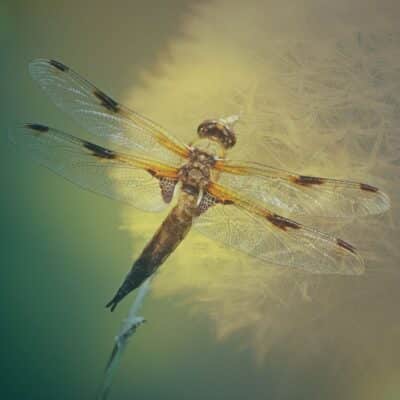
Dragonflies existed over 300 million years ago, long before dinosaurs, with some prehistoric species having wingspans as large as 2.5 feet.
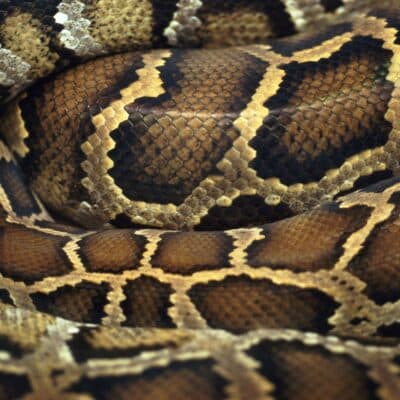
Chinese scientists observed that snakes exhibit erratic behavior before earthquakes, such as leaving their nests, even during cold weather, and sometimes crashing into walls.

In some parts of the world, spiked dog collars are still used for their original purpose: to protect shepherding dogs from predators like wolves.

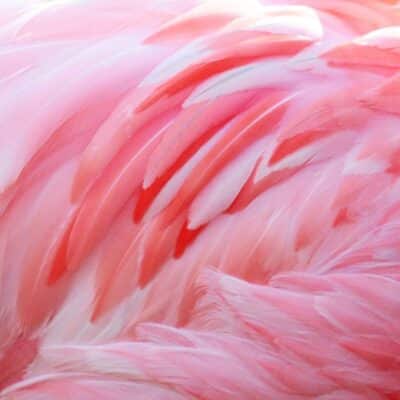
Flamingos pull one leg up to their bodies to save heat that could otherwise be lost when standing in cold water.

Founded in 2013, South Africa’s Black Mamba Anti-Poaching Unit is a female-led force that’s reduced poaching by 89% and nearly eliminated snaring in its conservation areas.

Both U.S. and Soviet militaries have trained dolphins. They can be used for rescuing lost naval swimmers and locating underwater mines.
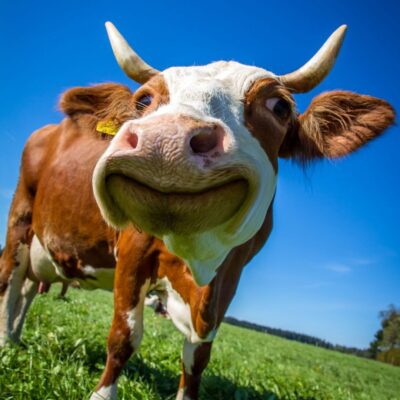
There is a rare psychological disorder called boanthropy, which makes people believe they are a cow or ox.
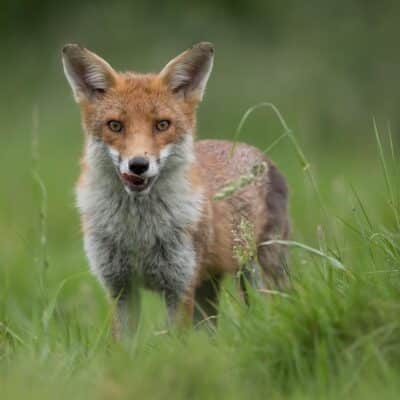
“Fox tossing” was a pastime in the 18th century. The goal was to see which team of two could send a fox into the air the highest using a piece of cloth.

Bees have three tiny additional eyes on the top of their heads called ocelli, which collect and focus light to help them navigate.
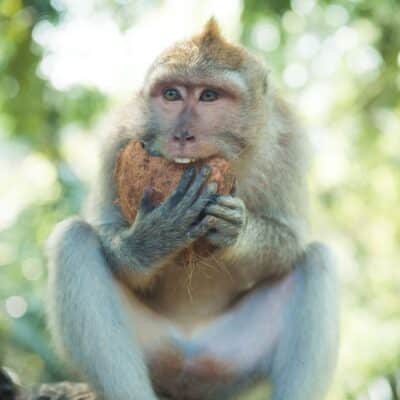
In Thailand, coconut farmers utilize trained macaque monkeys, which can harvest up to 1,600 coconuts a day, compared to 80 to 200 coconuts picked by human workers.

Mosquitoes helped the Continental Army during the American Revolution by spreading malaria among British troops.

The “London Underground mosquito” got its name for biting people on the Tube during the Blitz in World War II. However, these mosquitoes existed long before the Underground was built.

Perfluorohexane dissolves large amounts of oxygen, allowing animals to survive underwater by inhaling oxygenated liquid.
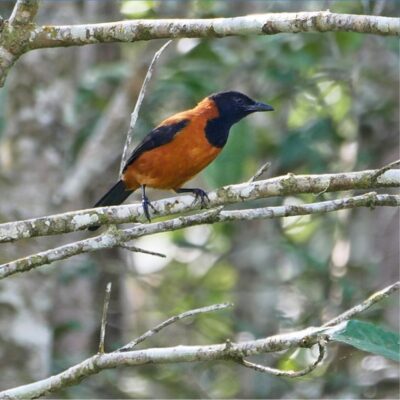
The Hooded Pitohui of New Guinea is one of the few known poisonous birds, with toxins in its skin and feathers.

Although a lion has appeared on Britain’s coat of arms since at least 1189 AD, the country hasn’t had wild lions since the Stone Age.

In 2010, American researchers identified a “pocket shark” species found in the Gulf of Mexico. The tiny shark, measuring only 5½ inches, glows in the dark.
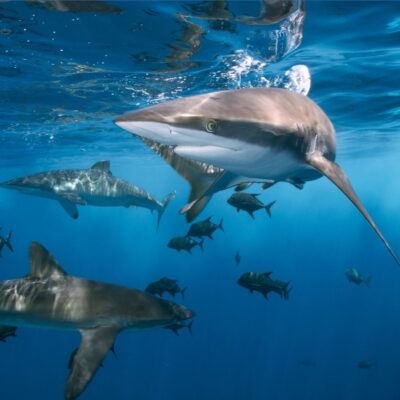
Some shark species, like the blacktip reef shark, display “rush hour” behavior. In the evening, they travel along specific paths between feeding and resting zones.

Emperor penguins have been recorded diving as deep as 1,850 feet (550 meters) and can hold their breath for more than 20 minutes.